
Giving Breakfast a New Pulse
Tuesday, 11 September 2012 15:59
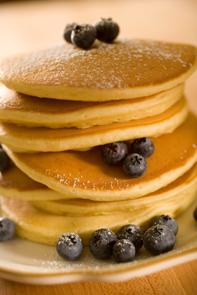 Five ways to incorporate nutritious dry peas, lentils and chickpeas into the most important meal of the day.
By Ali McDaniel
A balanced and nutritious breakfast is often touted as the most important meal of the day. But combining the needs of consumers with recommended dietary guidelines can be a difficult task for foodservice operators, especially when competing with tasty, yet unhealthy, convenience products.
Though not usually viewed as a breakfast ingredient, pulses (dry peas, lentils and chickpeas), their flours and purées can be easily substituted for traditional ingredients in morning favorites. Packed full of nutrients, pulses are the perfect addition to many popular dishes—helping foodservice operators achieve USDA MyPlate and school dietary guidelines without sacrificing taste or texture.
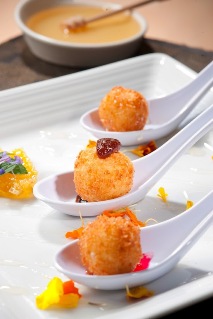 National Honey Board awards $8,000 in Culinary Institute of America scholarships to culminate Sweet 16 Honey Recipe Challenge
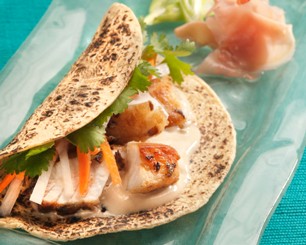 The taco renaissance taking the nation by storm is spurred partly by innovative chefs. But Americans seem to have recently realized that just about anything tastes better and is more fun to eat when it’s nestled in a folded tortilla.
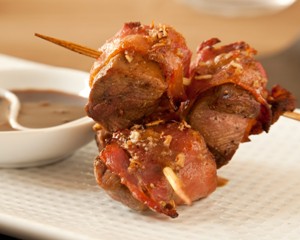 A Washburne Culinary Institute instructor wins second prize, and students from Wisconsin and Indiana cook their way to cash awards in the 2012 Discover Duck Chef Recipe Contest.