
The Service of Sparkling Wines, Part 1
Sunday, 31 October 2010 20:00By Edward M. Korry, CSS, CWE
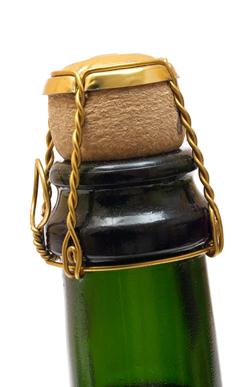 A server needs to seize the opportunity for determining the type of sparkling wine his or her customers prefer.
Champagne and sparkling wines conjure up images of celebration, elegance and pure enjoyment. While frequently perceived as merely a reception wine, the styles of sparkling wines vary enormously, and if properly understood can enhance a restaurant’s bottom line and a server’s income considerably. The key is to also provide commensurate quality service.
Many people refer to any sparkling wine as champagne, though only wine from the specific geographic appellation, 70 miles northeast of Paris, France, can rightfully be called Champagne. Champagne sets the standard for sparkling-wine production, and until 1990, other appellations both within and outside of France were able to refer to the champagne method on their labels. Since then no other EU wine may even refer to the term. In the United States, we have 14 semi-generic labels including champagne. Most U.S. sparkling-wine producers refer to their wines with the term CM/CV on the label. This refers to classic method and classic grape varieties, which includes chardonnay, pinot noir and pinot meunier.
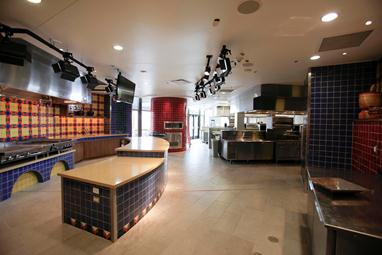 Culinary leaders from the Western Hemisphere gathered last month in San Antonio to celebrate El Sueño, The Culinary Institute of America’s mission to promote Latino diversity in the foodservice and hospitality industries.
 Educator winners of the Wisconsin Milk Marketing Board’s 2010 healthy-cooking recipe contest through CAFÉ enjoyed a thorough and flavorful immersion in Wisconsin cheeses on tour.
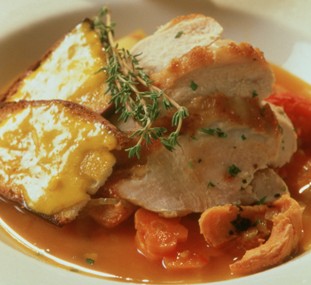 Online resources from the turkey industry will help students better understand how to deliver customer satisfaction while contributing to a healthy bottom line amid a “perfect storm” of challenges for operators.
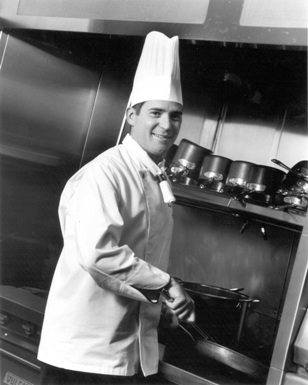 More easily applied in the culinary lab than the classroom, keep the learning active, engaging and authentic.