
Mango Flavor Pairing Guide Inspires Menu Innovation with Fresh Mango
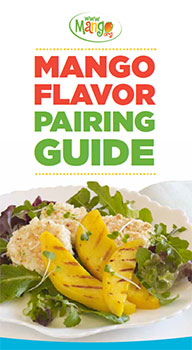 The National Mango Board announces the release of a new tool to inspire menu innovation, Mango Flavor Pairing Guide. The guide was developed to create excitement about fresh mango as a versatile ingredient, the key to innovation all across menus, all year ’round. The mango pairings showcase complementary and contrasting sensory combinations from familiar to surprising.
The mango is known for its glorious yellow-orange flesh that can taste sweet, tart or slightly spicy with a texture that runs the gamut from crisp to lush. As today’s culinary teams explore exciting flavor combinations and innovative menu options, they’re finding more and better places for fresh mango. In green mango and grilled steak salad, Chef Ben Randolph, The Broadway Hotel, Columbia, Mo., combines the tropical appeal of fresh mango, grilled beef and Asian flavors to surprise and delight diners.
To view or download the Mango Flavor Pairing Guide, visit www.mango.org/foodservice/mango-flavor-pairings-guide. For in-depth product information, designed to help achieve menu success with fresh mango, visit www.mango.org/foodservice.
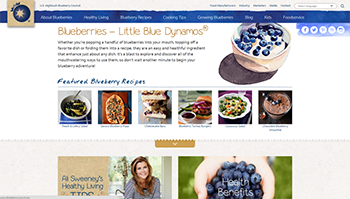 Consumer interests and industry needs were the driving forces behind the U.S. Highbush Blueberry Council’s (USHBC) recent website overhaul and launch. Fresh design, a streamlined format and the optimized platform for mobile and tablet viewing provide industry professionals and consumers alike with a consistent and engaging experience.
 True tastes of the bayou are surfacing throughout the South, and
 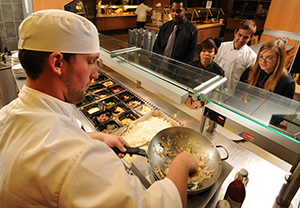 In this final of three installments focusing on employing an effective interaction strategy to increase loyalty and sales in your program’s student-run foodservice outlets, influencing four customer perceptions—“Fresh,” “Trust,” “Mystery” and “Ownership”—is key to success.
 Says this educator, ratios trump recipes in helping students learn. The first of a two-part series on teaching culinary arts through ratios in practical culinary labs.
 Foodservice educators across North America earn recognition for their creativity in the culinary classroom.
 The first part in a three-part series discussing tried-and-true and novel assessment ideas, as well as common methods whose usefulness in your program might be dated. Plus, how to customize and apply lesser-known, but effective, assessment strategies to fit your program.
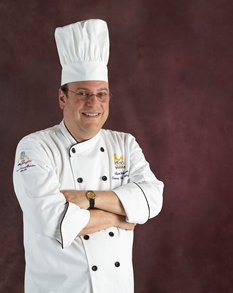 These very simple techniques are not taught more often in a 50-minute context because the blanched or parboiled product is generally not ready for service by the end of class. But, says Chef Weiner, they’re important to teach for their contributions to cooking. Here, he explains how to best teach the procedures, with applications that can fit perfectly into 50 minutes.