
Idaho Potato Commission Honors Innovations in Teaching at 2014 CAFÉ Leadership Conference
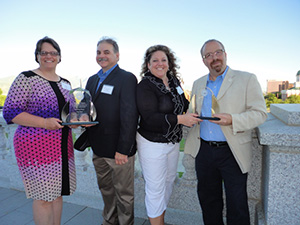 Foodservice educators across North America earn recognition for their creativity in the culinary classroom.
The Idaho Potato Commission (IPC) recognized three educators in the 2014 CAFÉ-Idaho Potato Commission Innovation Awards at the 10th-annual Leadership Conference of the Center for the Advancement of Foodservice Education (CAFÉ) in Salt Lake City this summer.
“Our involvement in encouraging innovation and creativity among culinary instructors and students is very rewarding to us as well as the recipients,” says Don Odiorne, IPC’s vice president of foodservice. “After all, one of the goals of our Idaho potato growers is to reach the next generation of farmers, too, and equip them with the skills to continue to learn, progress and succeed in a changing world.”
 The first part in a three-part series discussing tried-and-true and novel assessment ideas, as well as common methods whose usefulness in your program might be dated. Plus, how to customize and apply lesser-known, but effective, assessment strategies to fit your program.
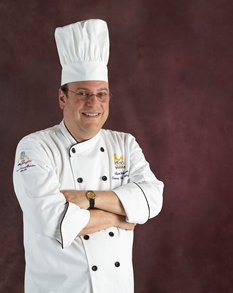 These very simple techniques are not taught more often in a 50-minute context because the blanched or parboiled product is generally not ready for service by the end of class. But, says Chef Weiner, they’re important to teach for their contributions to cooking. Here, he explains how to best teach the procedures, with applications that can fit perfectly into 50 minutes.
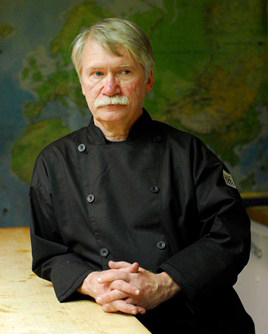 How adept are your faculty at integrating technology in the kitchen and classroom? Are you training and teaching them to understand issues relating to farming, processing, packaging and shipping of raw materials used in kitchens? Great teachers, like excellent employees in any field, thrive on self-improvement.
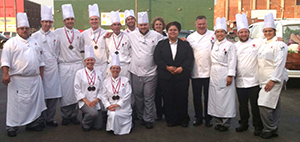 Baker College of Port Huron Culinary Institute of Michigan (CIM) students brought home five of the seven medals awarded to student culinarians at Detroit’s Eastern Market mystery basket competition recently. The competition was part of a fundraising event for Rising Stars Academy, a cooking school in Centerline for special-needs students ages 18-26.
 Flawless execution of sporting events is essential to keep audiences excited, viewers tuned in, participants engaged and sponsors fulfilled. As a sports-event planner, how do you keep up with the trends of the ticket-buying public, sponsorship and merchandising while at the same time attend to the hundreds of management and operational details required to effectively pull off the event?