
Teaching Systems Thinking
02 February 2026Educators have a chance to increase the success-to-failure ratio by integrating systems thinking.
By Paul Sorgule, MS, AAC
Feedback & comments: This email address is being protected from spambots. You need JavaScript enabled to view it.
Why are some great ideas successful and others fail? It might have less to do with the idea and more to do with the impact it has on the environment where the idea lives. Systems thinking involves a design process that considers the impact. We have an opportunity as educators to shift the success-to-failure ratio by integrating systems thinking processes into everything we do.
We teach menu planning from the standpoint of individual menu item salability, effective use of raw materials, flavor profile and alignment with a restaurant or event concept. How much time is invested in thinking about the impact of that menu on others? A menu will impact vendor selection, storage, preparation technique, strain on kitchen equipment, the skill level of cooks, station mise en place, timing, front of the house training, wine lists that pair well with the new menu, the type of plates used, cost structure, selling prices, and marketing.
A faculty member designs a new course that aligns with current culinary trends. The course is well-developed, lesson plans are tight, and students are excited about the content. That course, however, needs to fit into the learning sequence where its impact will be well-studied. Concerns identified such as the course’s potential change to the content of other classes, its impact on kitchen layout and required equipment, and describing its operational challenges resulting from the menu change. For the menu or the course to be successful, the planner must consider the connections to every other stakeholder in the delivery process. Failure to do so will result in intentional and unintentional resistance.
As we engage in a constantly changing business environment, it behooves all of us, faculty and students, to develop a much broader thinking process. This should not discourage creation and improvement but rather help to ensure that new ideas and products are more likely to hit the mark- succeed rather than fail.
An impact statement should accompany any new proposals for curriculum change or educational outcomes and students might be taught to consider the same in their menu planning, management and leadership classes. This idea is exciting, but have you considered how it will impact others in the environment where the idea will reside?
There are plenty of case study examples that can be integrated into classes – studies of businesses with great ideas that fail to come to fruition because of a lack of system thinking.
Food for thought in 2026.
PLAN BETTER – TRAIN HARDER
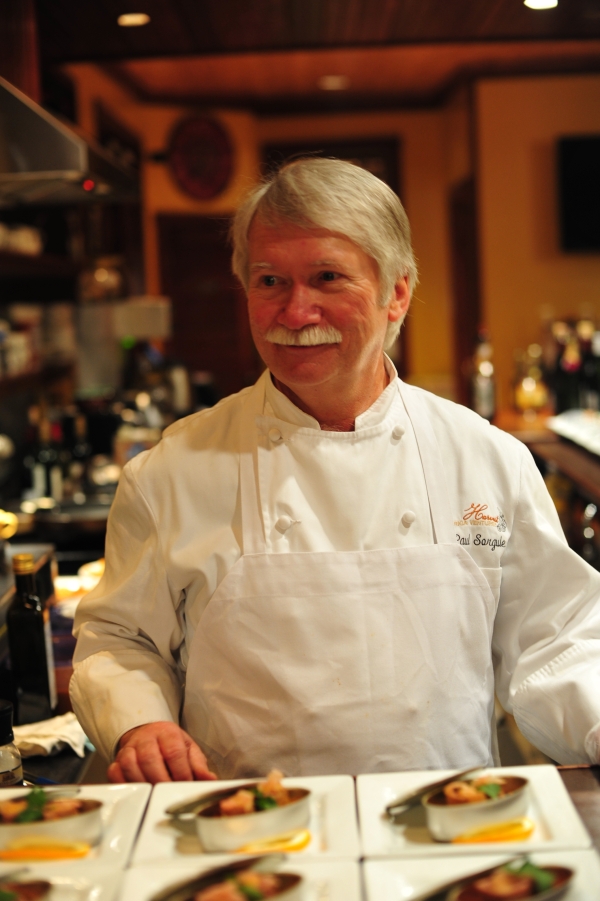
Paul Sorgule, MS, AAC, president of Harvest America Ventures, a mobile restaurant incubator based in Saranac Lake, N.Y., is the former vice president of New England Culinary Institute and a former dean at Paul Smith’s College. Contact him at This email address is being protected from spambots. You need JavaScript enabled to view it..