
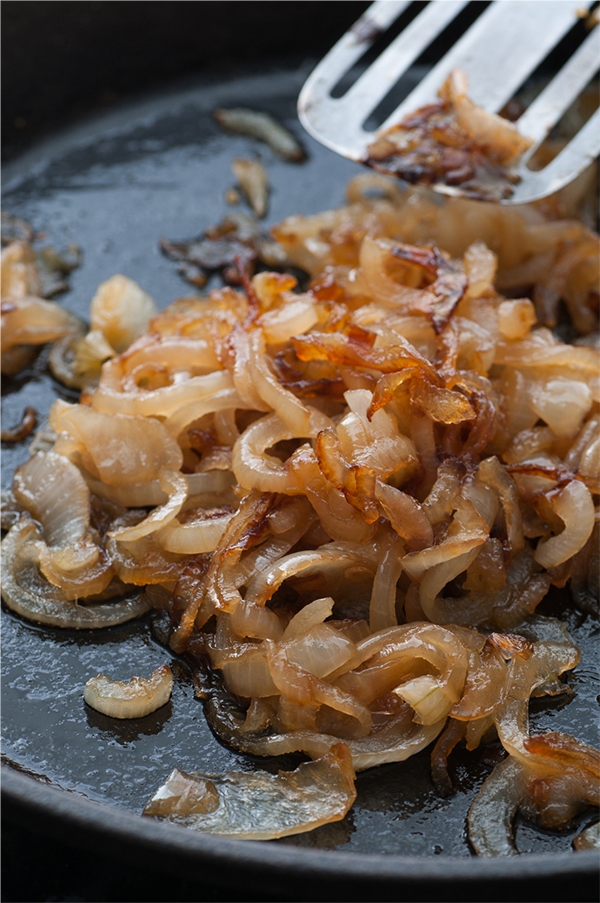
Caramelization is Worth the Wait
02 February 2026Correctly caramelizing onions takes time to do it right and there is no beating the right way.
By the National Onion Association
Feedback & comments: This email address is being protected from spambots. You need JavaScript enabled to view it.
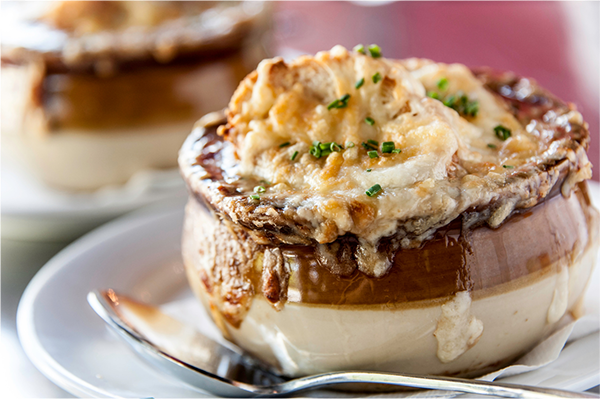
Onions are versatile and appear across the menu in items from soups to salads to burgers and sandwiches. Chefs can amp up the flavor of onions by grilling, sautéing and caramelizing this versatile vegetable.
Caramelizing brings out the naturally sweet flavor of onions. The key is to cook them slowly at the right temperatures in a small amount of fat. Caramelization is the browning that occurs when the naturally present sugars of the onion are heated to the appropriate temperatures, which creates a rich, complex aroma, flavor and brown color. The exact time needed will vary based on water content, cut and volume.
Instructors can teach students the difference in flavor and appearance between sauteed onions and fully caramelized. Full caramelization happens when the naturally present sugars oxidize. Onions contain sucrose which is a disaccharide. When heat is applied, sucrose breaks into fructose and glucose (both monosaccharides). Fructose begins to caramelize at 230˚F and glucose begins to caramelize at 320˚F. Fructose causes the highest degree of color development. The bottom line is that it takes time to develop the benefits of caramelization.
Artificially speeding up the process may offer a quicker cooking time, but it also negatively impacts the texture and flavor.That cheat is adding baking soda. Food blogger Lori Rice tested out this method for the National Onion Association, coming to the conclusion that adding 1/8 teaspoon of baking soda per pound of onions will not greatly affect flavor while cutting down caramelization time to about 13 minutes.
Baking soda increases the Ph level, thus making the onions brown and soften quicker. Adding baking soda, salt or even sugar will speed up the process because it helps extract the moisture from the onion, albeit not as naturally as the traditional method. Rice noted that it’s important not to add too much baking soda, as it will create a chemical-like taste to your onions.
Artificially speeding up the process does have drawbacks. She noted that the onions “dissolved a bit more and became creamy, almost like an onion jam.”
Let nature take its course
Speeding up the caramelization process comes with drawbacks. Accepting this is a time-consuming process is worth the wait. Doing it right will add the flavor and texture for which onions are known. Following the right steps will teach students how to bring out the onion’s natural savory aspects.
Step 1: Onions may be diced or cut into julienne slices with the grain or against the grain for caramelizing. The cut will alter cooking time and texture; see more below. The all-purpose yellow onion is best for cooking.
Step 2: Add a small amount of oil or butter to coat the bottom of a sauté pan. Place onions in the pan. Over low heat, sweat the onions by covering the pan with a lid to keep the onions moist and slow down browning.
Step 3: When onions are soft and translucent, uncover the pan, and increase heat to medium. Sauté until onions on the bottom of the pan start to brown. If the onions start to look dry or stick to the pan, add small amounts of water to moisten and dissolve the burning sugars.
Step 4: Lower the heat and continue to cook slowly, stirring occasionally until the onions are limp and have turned dark golden brown. The thicker the cut, the lower the heat should be in the final stage of caramelizing.
Step 5: Serve caramelized onions warm as a savory side or use in pastas, sauces and soups or to top your favorite steak or chop. Caramelized onions can be prepared ahead and refrigerated up to five days in an airtight container.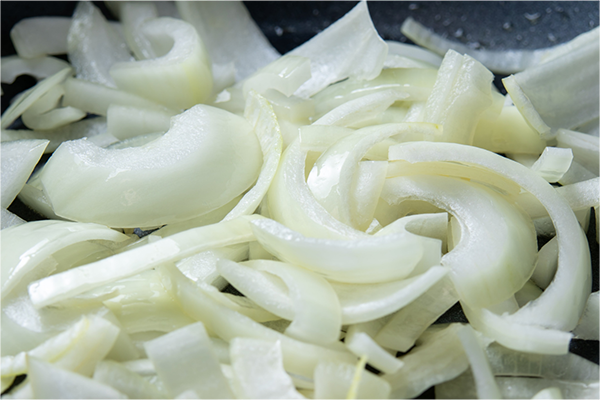
The cut matters
The onion cut also affects the texture. When an identifiable onion texture is desired, cut with the grain. Or skip sweating and start by sautéing on medium heat. For a less noticeable texture (i.e. thickening soups, sauces) and added depth of flavor use onions cut against the grain. A combination of cuts may be desirable in some dishes (i.e. French onion soup). Caramelization takes time - exactly how much time will vary based on the water content, cut of the onion and the volume. Spring/summer onion varieties are higher in water content, which will increase the cook time in comparison to fall/winter varieties.
Onions – Layers of Flavor
Curriculum from the National Onion Association
Culinary instructors can participate in the National Onion Association’s Culinary Curriculum and Lesson Plans. The six-lesson course covers onion types, cutting and yield, nutrition, preparation methods and more. The course can be used for personal development or classroom training. ACF Continuing Education Hours are available. Click here for more information.