
Preparing for Chicago Through Transitions and Scenario Planning
03 June 2026Strategizing and building systems of action rather than a crisis of reaction.
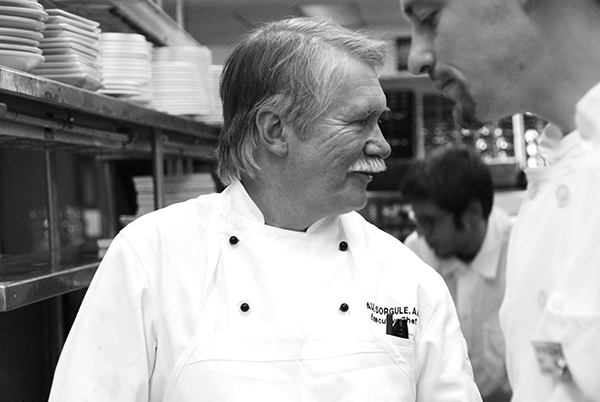
By Paul Sorgule, MS, AAC
Feedback & comments: This email address is being protected from spambots. You need JavaScript enabled to view it.
CAFÉ’s Dean’s and Director’s Retreat, opening the first day of the conference, will be one to remember. It seems befitting to be held in Chicago this year, which is an incredible city, a place where the culinary arts thrive, a city that represents the gateway for creative thinking, and a hub of activity for the business of food education. What a perfect place to present the DDR’s theme, “Transitions – scenario planning and thinking differently as a leader.”
How often do you think back to decisions you made and think, “What if I had only prepared more thoroughly, listened more carefully, acted with more consideration of outcomes, or even responded with more confidence?” Things could have ended much better, right? Well, maybe this is the time to begin to ask, “What if?” before there is a need to react. Challenges become problems when we fail to plan, or even more importantly, strategize and build systems of action rather than the crisis of reaction.
Throughout history, there have been exceptional strategists who think about the future and plan for inevitable and unanticipated outcomes. Historians provide us with lessons learned that help to avoid repeating mistakes, while futurists prod us to think about what might occur. They reflect on the truth behind Murphy’s Law (anything that can go wrong, will go wrong), Finagle's Law (bad things will happen, especially to good people, at the absolute worst possible moment), and the Fourth Corollary (if you prepare for four specific ways something can go wrong, a fifth, unprepared-for way will develop). Each of these seeming realities are only problematic when we treat them as surprises or anomalies that are faced without proper advanced thought and planning.
This year’s DDR will focus on one simple mindset: what if? The interactive day will place attendees in an environment of questioning, free thinking, collaborative problem-solving, and dynamic scenario planning. We have a terrific team of presenters who will set the stage for your active engagement.
I am excited to open the day with a “Why Are We Here” introduction to scenario planning and vivid examples of how we have previously failed to build strategies designed to change problems into opportunities. Our keynote speaker, Mark Graham, is a seasoned food strategist, opportunity evangelist, and systems problem-solver and innovator. He will fire everyone up with “Innovation Through Scenario Planning,” connecting the audience with his experiences innovating for companies like Kellogg.
Ann Zuccardy will walk us through storytelling as a way of thinking and preparing for the known and the unknown. Ann is a published author, writing coach and developmental editor and has over 30 years of experience working as a paid writer and entrepreneur. She is a vivid storyteller and was a TEDTalk presenter, where she offered insightful experiences that highlight her work at reinventing herself after a tragic accident. The best teachers and most effective planners are those who weave their ideas and experiences through the medium of storytelling.
Professor Joe Conto has a unique skill set that will bring the audience into fun and maybe somewhat uncomfortable situations. A seasoned hospitality educator, Joe is also an improv actor/comedian who has utilized these skills in his classroom, demonstrating how students need to fine tune their listening skills to be prepared for the mysteries of the unknown.
The day will wrap up with a roundtable session where attendees will form teams and practice applying the scenario planning skills and strategies learned throughout the day to several “what if” challenges assigned to their innovative team.
The expectation is that everyone will walk away with an effective approach toward future planning and a different mindset toward the challenges faced in their work environments – even those that might seem unlikely at the moment.
I know you won’t want to miss this event and the chance to add some creative spice to your faculty and administrative planning sessions throughout 2026 and beyond. If you haven’t registered yet, you still have time!
PLAN BETTER – TRAIN HARDER
Paul Sorgule, MS, AAC, president of Harvest America Ventures, a mobile restaurant incubator based in Saranac Lake, N.Y., is the former vice president of New England Culinary Institute and a former dean at Paul Smith’s College. Contact him at This email address is being protected from spambots. You need JavaScript enabled to view it..