
President of ACF, Michael Ty, CEC, AAC, Receives North American Association of Food Equipment Manufacturers Doctorate of Foodservice Award
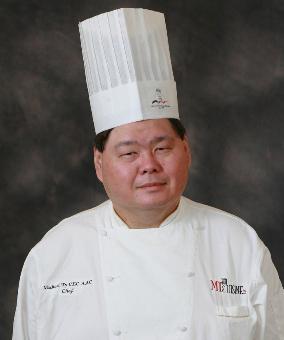 American Culinary Federation (ACF) National President Michael Ty, CEC, AAC, chef/owner, MT Cuisine, LLC, Las Vegas, received a Doctorate of Foodservice award from the North American Association of Food Equipment Manufacturers (NAFEM) Feb. 10 during the NAFEM Show at the Orange County Convention Center, Orlando, Fla.
Ty was chosen to receive the award for his contribution to the foodservice industry and his leadership through ACF, the nation’s largest organization of professional chefs. Each year, NAFEM bestows its Doctorate of Foodservice award on association presidents, past presidents, presidents elect and chairpersons of major industry associations for their commitment to the foodservice industry. This year, 53 recipients were honored, representing more than 30 organizations.
“It is an honor to be chosen by the North American Association of Food Equipment Manufacturers as a recipient of this prestigious award,” said Ty. “ACF strives to make a lasting impact on the foodservice industry and advance professional and educational opportunities available for professional chefs. This award is a symbol of ACF’s significant position in the culinary industry.”
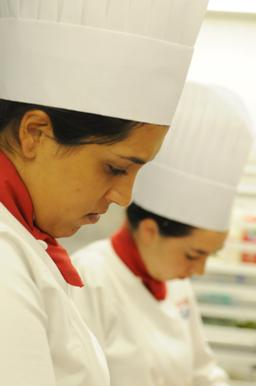 Culinary students from around the world visited the Kendall College School of Culinary Arts in Chicago to prepare locally inspired dishes from their native countries in a global cooking competition in last January. Teams from schools in seven countries and the Laureate International Universities Culinary Network joined Kendall College in this two-day competition.
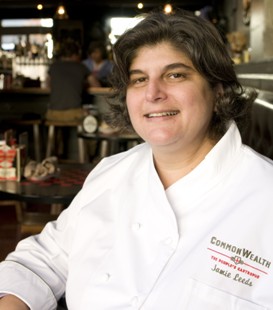 The president of Women Chefs & Restaurateurs calls on us to acknowledge the achievements of women culinarians and hospitality professionals in recognition of National Women’s History Month.
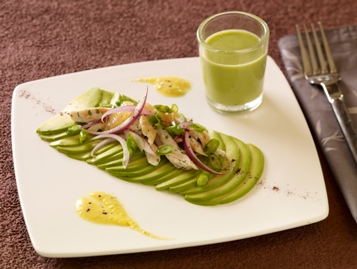 Lovers of ethnic foods are exhibiting a greater taste for exotic flavors.
 Retailers continue to expand prepared food offerings while gaining ground on restaurants.
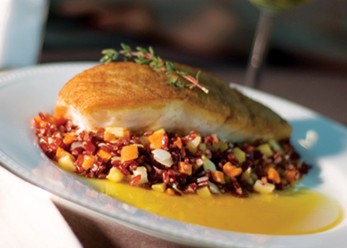 Chefs desire global cuisines, whole grains, versatility and U.S.-grown.
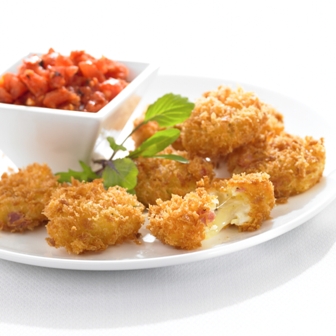 Snack orders—either as a fourth meal of the day or replacing one of the three squares—are increasing in foodservice.
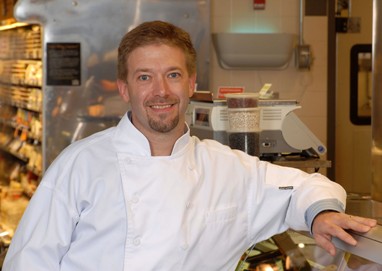 Thanks to Whole Foods Market, Scott Crawford is able to utilize all of his skills while practicing what he believes in.
 A seminar can be a great place to push students’ thinking and provide them with a different educational experience.