
Seven Leading Restaurant Trends for 2012
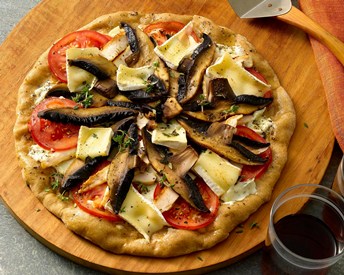 From social networking’s impact on success to a greater emphasis on in-house rustic fare to save cost, Technomic predicts the biggest influences on U.S. restaurants next year.
Just as the nation's economic forecast includes mixed signals, restaurants across the United States face a varied landscape of expected trends in 2012. Technomic, the leading foodservice research and consulting firm, sees these seven developments making news in the coming year:
1. Consumers Seek a Twist on the Familiar. Shell-shocked consumers are in no mood to take risks, but novel flavors still tingle their taste buds. Look for comfort foods with a twist (gourmet, ethnic, artisan, wood-fired) as well as innovation in familiar formats (sandwiches, wraps, pizza, pasta) rather than breakout items taken from less-familiar global cuisines.
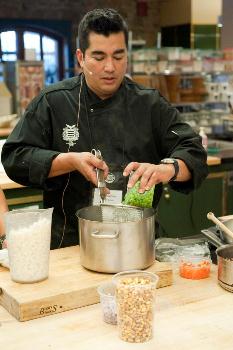 The CIA’s recent Worlds of Flavor® International Conference & Festival examined the casualization of fine dining.
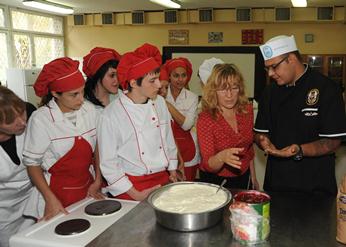 USS Philippine Sea shares culinary techniques with high-school students in Eastern Europe.
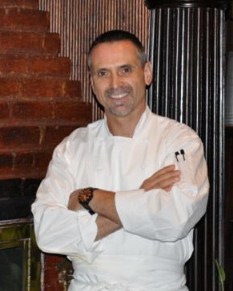 Bill Rodgers, executive chef, Keens Steakhouse, New York City
 Although this part of case-study teaching can be arduous, there’s real value in reading papers. Doing so allows us to suggest ways to improve students’ thinking.
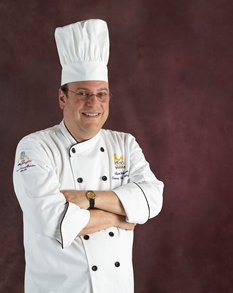 Contrary to what students might think, life is not like “Hell’s Kitchen,” where food can be discarded with abandon. Here are eight easy and effective ways to teach basic food-cost principles that will serve your students well.
 The truth about GMOs.
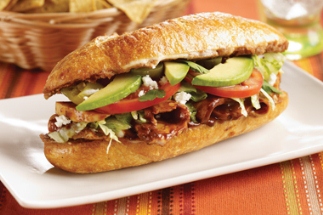 SandwichPro.com offers new on-trend sandwich-making demos.
 The president of the American Culinary Federation led an entourage of U.S. chefs to partake in and contribute their talents to the Bidvest World Chefs Tour Against Hunger in South Africa in August.