
2011 Flavor Forecast Creates Appetite for Life
Courtesy of McCormick & Company, Inc.
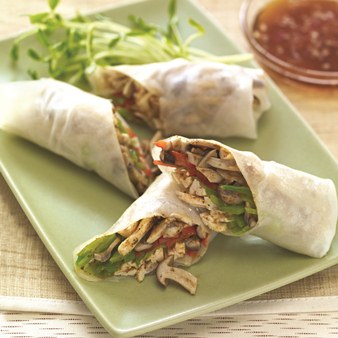 Ever-evolving mindsets drive new flavor pairings for foodservice professionals now and for years to come.
McCormick & Company, Inc., a global flavor company based in Hunt Valley, Md., enters its 11th year of bringing together its flavor experts, top chefs, food bloggers and mixologists to define leading trends and assemble top 10 flavor pairings. McCormick’s 2011 Flavor Forecast® is focused on how foodservice professionals and consumers can reclaim the joy of eating. Spice consumption in this country is at an all-time high—growing more than three times as fast as the population1 and currently exceeds 1 billion pounds per year2.
Key influences shaping McCormick’s 2011 Flavor Forecast® include need for customization, reframed ideas about health and wellness, desire for ease and simplicity, love of culinary adventure and craving for taste experiences. All are represented in McCormick’s five trend-watch categories:
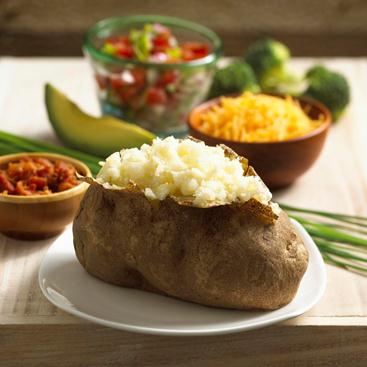 A recent study confirms that potatoes do not contribute to weight gain.
 At Universal Studios in California, Eric Kopelow operates as if park guests are there for the food, not the fantasy.
 In a large class, it can become very easy for us to lecture and not invite questions or discussion. Here’s how to engage all students.
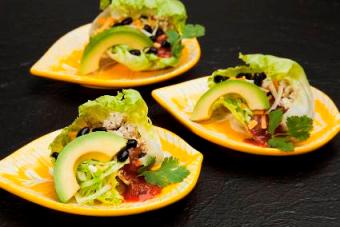 Hosting meetings where food and beverages are the stars can provide great learning opportunities for students.
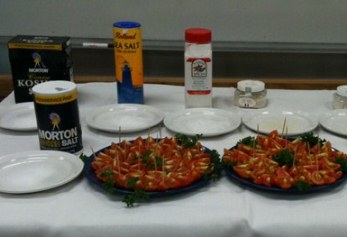 Teaching the vast range of salts helps students in product-identification, nutrition and many other classes.
 The Culinary Trust, the International Association of Culinary Professionals’ (IACP) philanthropic foundation for 26 years, will accept scholarship applications for formal culinary education and independent study now through March 1, 2011. The 23 scholarships offer an assortment of funding opportunities from accredited culinary schools and organizations worldwide, including two grants named in honor of founding trustee Julia Child.
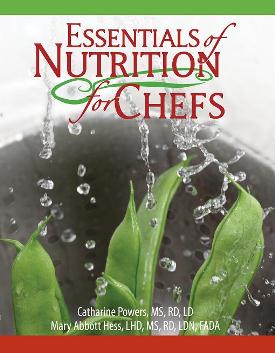 Culinary Nutrition Publishing, LLC, has released Essentials of Nutrition for Chefs, a ground-breaking textbook designed for use in culinary programs and by food writers. Co-authors Catharine Powers, MS, RD, LD, and Mary Abbott Hess, LHD, MS, RD, LDN, FADA, are well respected educators known for their commitment to bridging the gap between culinary art and nutrition science.