
NHB Presents Laurey Masterton Golden Amulet Award at Women Chefs & Restaurateurs Conference
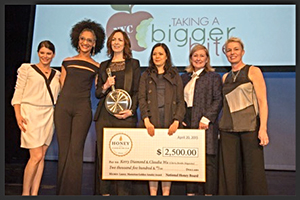 The National Honey Board (NHB) presented the first-ever Laurey Masterton Golden Amulet Award at the 2015 Women Chefs & Restaurateurs’ (WCR) Conference and Gala Awards Dinner on April 20 in New York City.
Recognizing trailblazing women entrepreneurs in foodservice, the inaugural award and $2,500 cash prize were presented to Kerry Diamond and Claudia Wu, founders of Cherry Bombe magazine, by National Honey Board CEO Margaret Lombard.
Golden Amulet Award winners Diamond and Wu had a vision for a print magazine highlighting women in the food industry, while still employing the aesthetic qualities of a fashion magazine. After a successful Kickstarter campaign in 2013, their vision became a reality as Cherry Bombe magazine, which was soon followed by a complementary radio show, Radio Cherry Bombe.
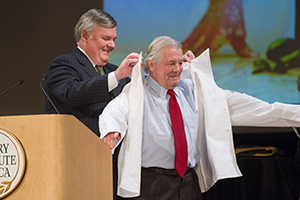 Famed chef and television personality Jacques Pépin was awarded an honorary Doctor of Humane Letters degree from The Culinary Institute of America after delivering the commencement address at the college’s New York campus on May 22.
 Individuals with a flair for cooking can now put their passion to work at Star Career Academy’s Egg Harbor Township, N.J., campus, which recently introduced three new culinary programs: Professional Cooking, Commercial Cooking and Professional Pastry & Baking.
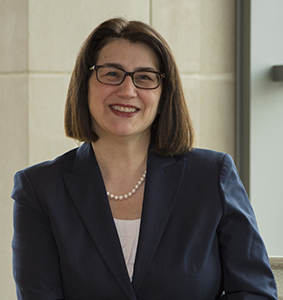 Donna L. Quadri-Felitti has been selected as the new director of the School of Hospitality Management at Penn State, effective July 2015.
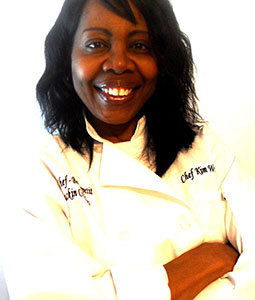 A bakery entrepreneur leaves nursing behind to enroll in an online pastry-certificate program, and the result is sweet.
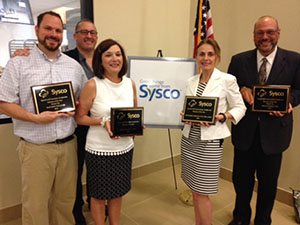 In the award program’s inaugural year, two secondary and two postsecondary educators earned recognition for distinction in training professional cooks of tomorrow at the 11th-annual CAFÉ Leadership Conference in June.
 Real information power comes when operators begin to consolidate and review all their data, to reveal the complete picture they need to make better business decisions.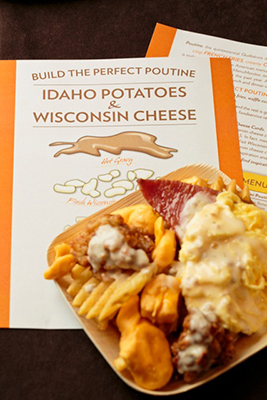
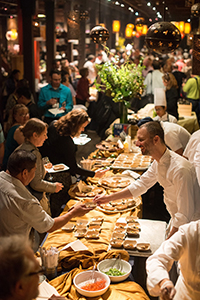 For 17 years, Worlds of Flavor in Napa Valley has been considered by the industry to be America’s most influential professional forum on world cuisines, food cultures and flavor trends. This year’s event didn’t disappoint.