
Lesson Plan: An Intro to Healthy Cooking
By Renee Zonka, R.D., CEC, CHE
 This presentation on general healthy-cooking principles is an ideal introductory lesson that speaks to today’s wellness concerns.
“Nothing is poison and everything is poison; the difference is in the dose," said Theophrastus Philippus Aureolus (who called himself “Paracelsus”), a Swiss doctor and alchemist who lived from 1493 to 1541.
This lesson plan follows that principle, advocating moderation and instructing on methods of lowering fat and maintaining eating quality, cooking gluten-free, using natural sweeteners, modifying recipes and understanding product labels. Three separate recipe downloads—for a high-fiber, low-fat halibut dish featuring giant Peruvian limas and Scarlet Runner beans, pressure-cooked to lock in nutrition; a gluten-free Christmas beer cake; and a corn/crab chowder modified to lower calories and cholesterol, all written for the home cook—assist in applying understanding.
Renee Zonka is the associate dean of The School of Culinary Arts at Kendall College, Chicago.
Downloads: Healthy Cooking Tactics, Corn and Crab Chowder with Basil, Gluten-Free Christmas Beer Cake, Halibut with Savory Beans and Apple-Fennel Salad
Photo caption: Renee Zonka presented this lesson on healthy-cooking principles to 80 personal chefs at the American Personal & Private Chef Association’s 2010 Summit at Kendall College in February. Here she shows her Halibut with Savory Beans and Apple-Fennel Salad featuring pressure-cooked Giant Peruvian Limas and Scarlet Runner Beans from Indian Harvest (www.IndianHarvst.com).
 Milestone report features top 10 flavor pairings and leading trends that will define 2010.
 Though easy to make, infusing oils adds much to the classroom and curriculum.
 By hiding the science in the pure joy of handling dough that has baked into pastries, you can increase students’ understanding and awareness of the baking process.
 Sometimes it’s all about language. Here are resources for teaching energy and water savings without having to use the “s” word.
 Of the five most common risk factors for causing foodborne illness, three are issues for the front of the house.
 Says Chef Weiner, even in short classes, instructors must stop doing the mise en place themselves unless they plan on accompanying students to their first jobs.
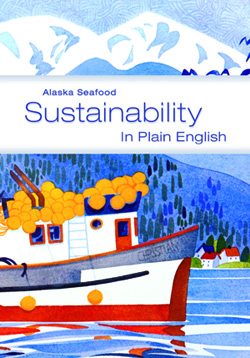 Alaska Seafood Marketing Institute (ASMI) has released a new resource to help navigate the waters of sustainability titled "Alaska Seafood Sustainability In Plain English."