
Green Tomato: Organic, Biodynamic, Local ... Oh, My!
By Christopher Koetke, CEC, CCE
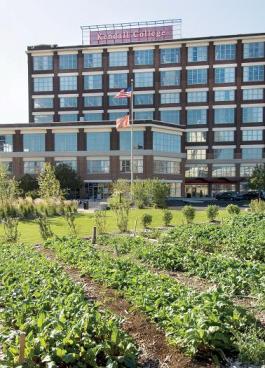 Defining “sustainable food” is not a black-and-white issue like water and energy conservation or waste-stream reduction. The decisions are value judgments that are unique to each individual.
What is sustainably farmed food? Is it organic? Is it biodynamic? Is it local? Dr. Fred Kirschenmann, sustainable-agriculture pioneer and distinguished fellow with The Leopold Center for Sustainable Agriculture, says the answer to those questions is, “Sometimes, but not necessarily.” Recently, I had the opportunity to chat with him about this subject and came away with a new understanding of the complexities.
Organic
Kirschenmann served on the USDA National Organics Standards Board, which developed the rules for implementing the National Organic Program. According to those standards, organic means that producers can use any natural inputs as long as they aren’t on the “prohibited list” (e.g., elemental sulfur or copper as a plant or soil micronutrient). The only synthetic inputs allowed are those on the “allowed list” (e.g., certain chlorine materials related to food-safety concerns).
 Since 2001, cheese was the No. 1 ingredient added to the menus of the top 200 restaurant chains in the appetizers, entrees, salads and sandwiches categories. Attached as a PowerPoint presentation is a complete lesson plan on teaching the menu power of cheese, particularly those cheeses made in Wisconsin, from the standpoints of flavor, identification, grading, menu trends and marketing. The lesson plan is easily customizable with the removal or addition of slides to fit your needs.

