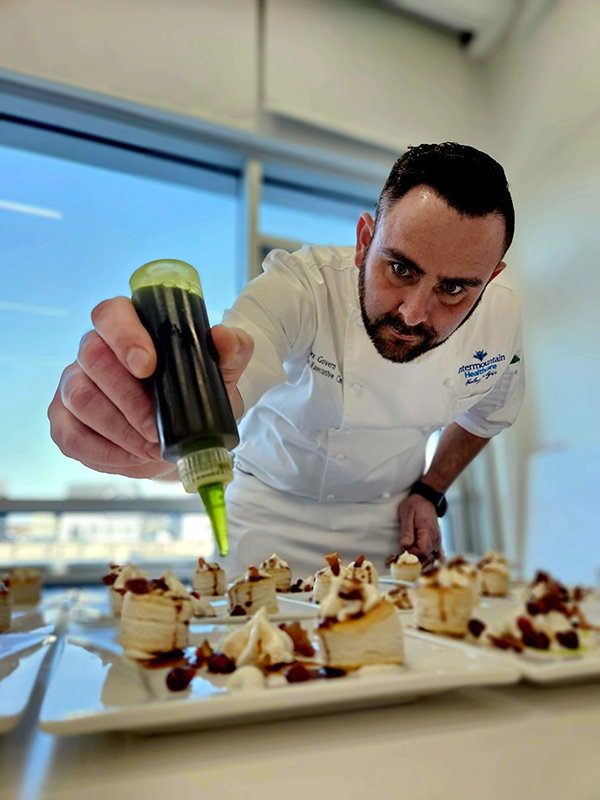
 There are two keys that make high-volume food events exceptional: planning and execution. A new culinary student might ask, “How is that different from any regular production service?” Knowledgeable culinary instructors know and can teach the specific management skills required for planning a catered event and the culinary skills needed to pull off flawless foodservice in an unpredictable environment.
Planning and production skills specifically centered on catered events are not unique to a singular foodservice area such as the hospitality industry. A successful catered event requires the same skill sets if the chef is catering food for a wedding or a city’s health fair. That may surprise some new culinarians. 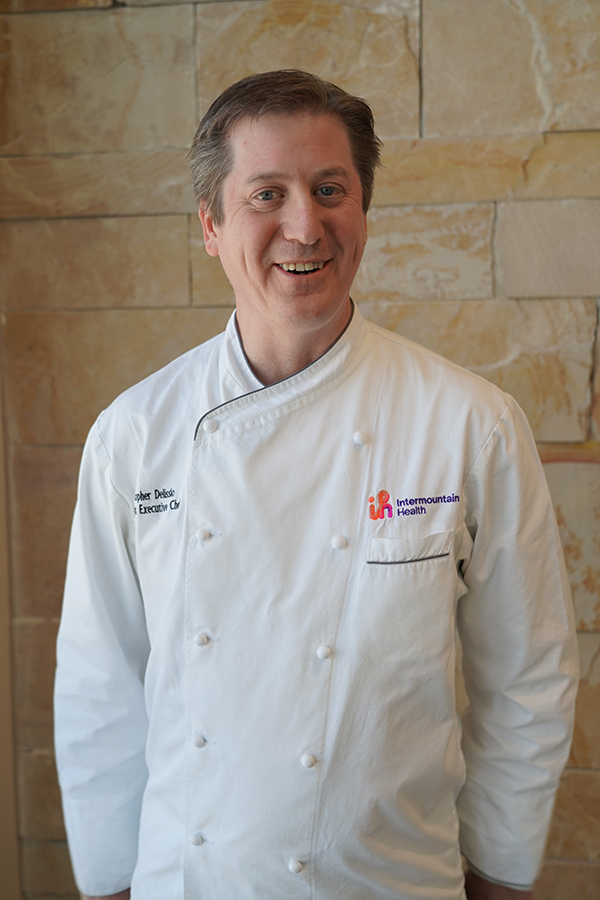
What may be an eye-opener for seasoned chefs is the quantity of catering opportunities across various foodservice areas. For example, catering in healthcare is a vital service, from providing boxed lunches for department meetings to catering large meetings to serving food at community events. Chef Christopher Delissio, enterprise executive chef at Intermountain Health, discovered the surprising volume of catering in his healthcare system when he started working there nearly eight years ago.
“Intermountain Medical Center, the health system’s 500+ bed flagship hospital in the Salt Lake City area does catering every single day, and provides catering to the number of guests served at a large resort hotel,” Chef Delissio said. That is only one of the 34 hospitals across six states that comprise the Intermountain Health system. This healthcare catering environment allows Chef Delissio, who has enjoyed a 30-year culinary career including operating restaurants and fine dining establishments and spending more than 13 years in the resort industry, to speak from experience and detail the required critical elements of planning and executing successful high-volume foodservice events.
Breaking down high-volume production planning
All catered events begin with client communication, understanding their needs and managing expectations. Chef Delissio explained that although global flavors are trending in restaurant service now and some of his hospital clients want 90% of their event food featuring global flavors, it is not that way across the board. “The menu has to be site-specific,” he said. “There are some small rural hospitals that want less than 10% of global flavors on their menu.” Clear and ongoing client communication is imperative in catering.
Another trend in menu planning for catered events is the utilization of local ingredients in customizable dishes. Here again, one size does not fit all. Chef Delissio suggests investigating locally sourced ingredients to ensure they have excellent nutritional value and better flavor than what is available nationally. He said going on-site and viewing how the product is grown is a great technique, if available.
 “Take cheese, for example. It may be locally produced but where does the milk come from?” he asked.
Other crucial aspects of catering planning include timely preparation, careful scheduling and meticulous attention to detail. Catering chefs should create comprehensive timelines that account for food preparation, transportation, setup, and service, ensuring that every aspect aligns to provide a flawless customer experience.
Chef Delissio believes in creating checklists for all required items and, just like Santa, physically checking the lists two times to ensure everything is ready. One of his lists includes foodservice staples such as salt and pepper, rags and empty buckets. Having thoroughly complete lists is also helpful in the event that the event will recur in the future.
Finally, Chef Delissio has a motto: bring it, don’t wing it.
Executing a quality event
“If you are not scrambling heading into an event, then you are doing something wrong,” he said. However, scrambling does not mean ill-prepared. All catered events are time sensitive and never go-off on schedule, the Chef said. He explained that cooks need to be prepared for change and that if a hiccup in the schedule sets them off, then that person may want to look for another foodservice job. “You have to be comfortable with being uncomfortable.”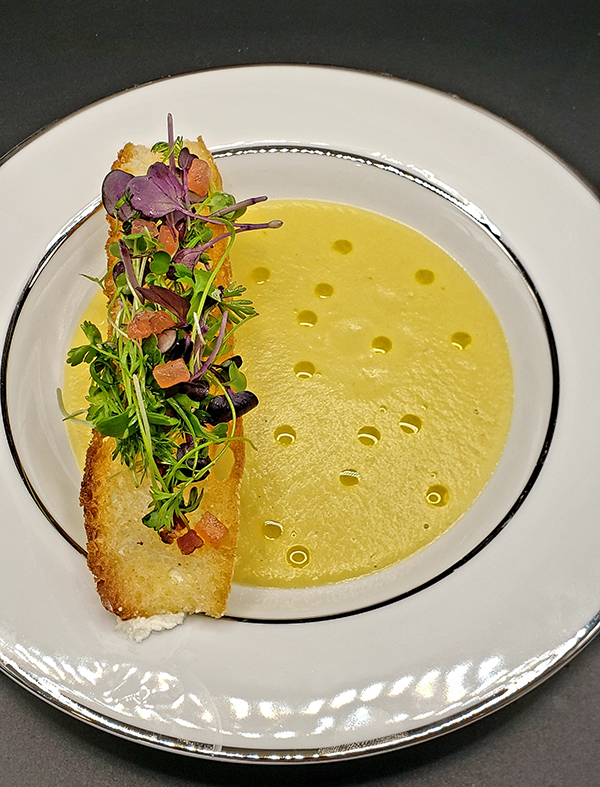
Even the most list-checked-prepared chef will receive last-minute requests that have not been communicated. In Chef’s experience, the during-service late requests usually involve needing a gluten-free, vegan or vegetarian plate and “you always need a contingency plan.” He suggests having an entrée where an element can be removed, if necessary, such as a bread crumb topping over fish or a sauce over a protein. Also, a chef could plan to include a vegan vegetable.
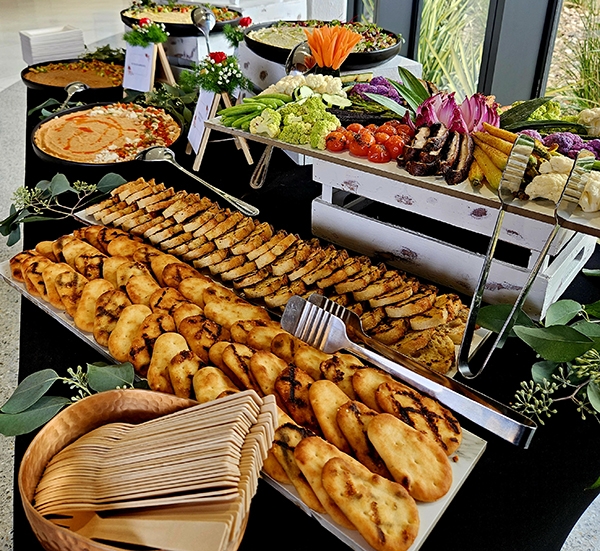
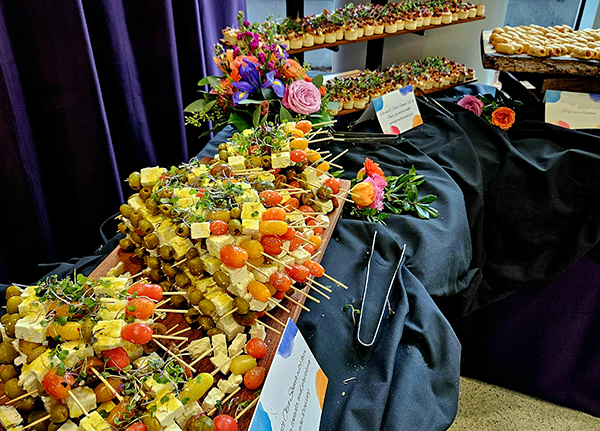
In setting up for the event, Chef Delissio suggests creating drama with table décor, including incorporating different risers and linens. “Black, silver, white and wood are all classic accent pieces that go together.” During the event, do not put out all the food at once but have runners for tables to replenish as needed. “The last (food item) needs to be as good as the first,” he said. Table runners help with quality control and the practice will reduce food waste and leftovers.
At Intermountain Health, sustainability is a business principle, and the foodservice teams are very cognizant of reducing food waste where possible and reusing waste where applicable. “We use batch cooking to reduce waste, compostable to-go containers whenever possible and just-in-time ordering practices,” he said. All catering events will have leftovers, it’s a matter of minimizing them as best you can, he explained.
Finally, after the event is complete, a debriefing session should be held where the team reviews the event. Keeping lists of successes and failures is helpful if the event happens again. Also, debriefing session information from across multiple events can be entered into AI to view patterns where the group can improve on planning and execution. Chef Delissio also said that having hands-on experience with AI is helpful to the foodservice business as well as a chef’s resume.
Photos courtesy of Intermountain Health.