
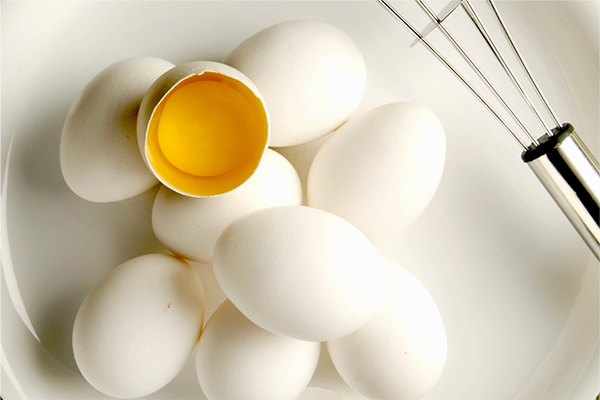
 There is something irresistible about drinking a foamy-headed beverage. How the bubbles lightly tingle against your top lip and the leftover mustache is the stuff of kids’ dreams. Adults can partake in a child’s fun while maintaining a sense or decorum and taste, with an emphasis on taste. Cocktails, mocktails and functional drinks that have a foamy head, unique richness and silky texture may contain one surprising ingredient that helps achieve these adult-like qualities: an egg.
Shaking an egg white back and forth changes the whipped egg’s protein structure, with one end attracting air molecules and the other attracting water molecules. Thereby creating a drinker’s bubble-mustache unique to cappuccinos, milk foam teas and many cocktails and mocktails. Eggs – including the white, yolk or both - add a rich, silky texture and body to beverages, creating a smooth drink and calming down intense flavors.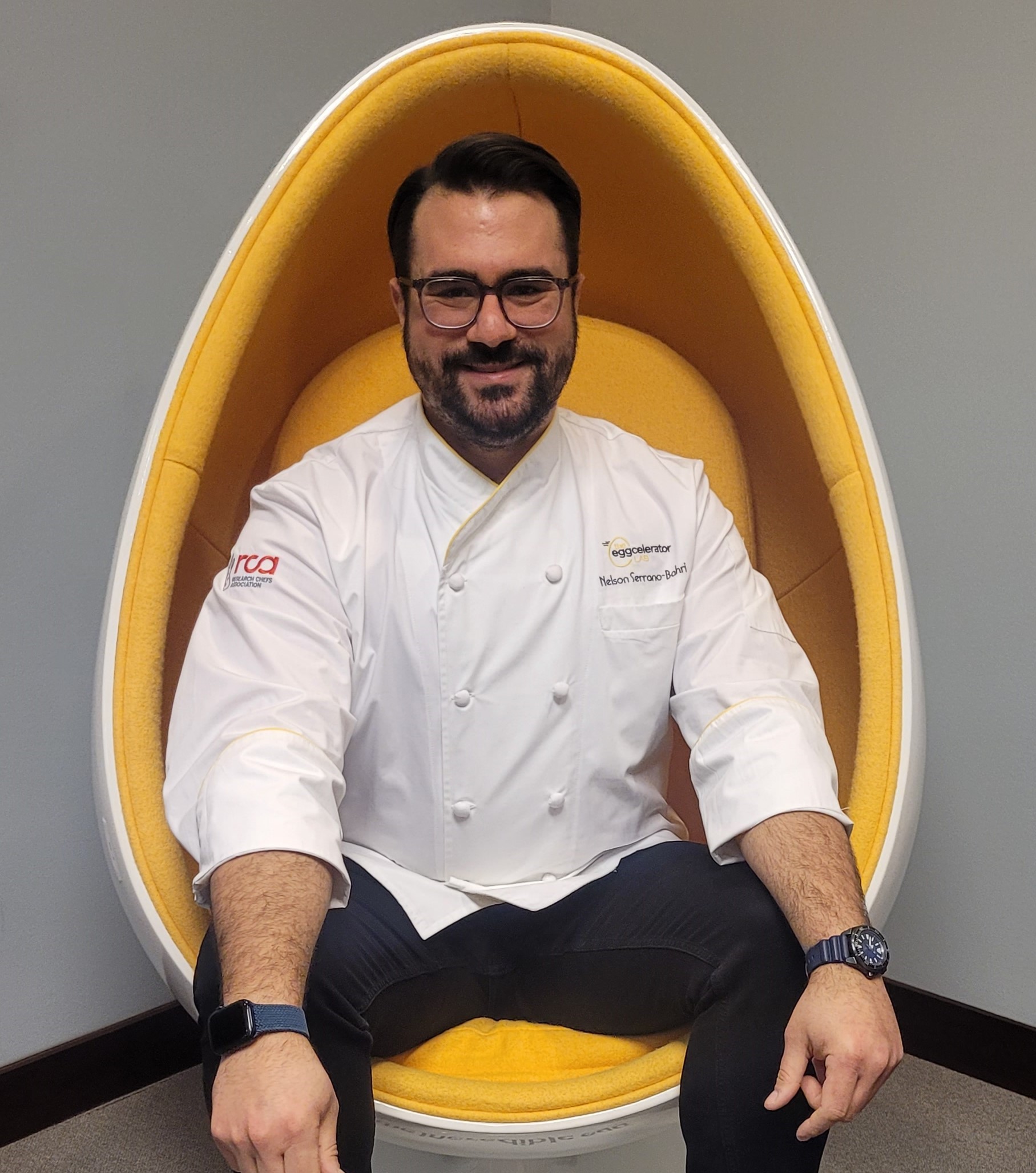
Eggs are common ingredients in beverages from old-time flip cocktails that can use either the egg white or entire egg, to sours and noggs, to cold brews and matcha drinks. I asked Chef Nelson Serrano-Bahri, director of innovation at the American Egg Board, about the functionality and uses of eggs across beverage categories.
Describe how using eggs – white, yolk or both – as an ingredient adds specific qualities to beverages.
I like to think of the egg as three different tools all in one shell:
- Egg whites give lift, foam and polish. They create that tight, silky head that makes a sour or spirit-free drink feel “crafted” and not just mixed.
- Egg yolks add richness and viscosity and a soft custard note. They extend the flavor on the palate, making a drink feel more luxurious without a lot of added fat.
- Whole eggs combine both effects-structure, creaminess and visual appeal-turning a simple mixture into something that feels like a dessert or a special-occasion beverage.
Across cocktails, mocktails, and functional drinks, real eggs add smoothness, body and perceived quality that is hard to replicate with alternatives.
Sour beverages: Which alcohols pair well with eggs? What sweeteners pair well with eggs?
Eggs play especially well with spirits that have some personality, warmth, aromatics and a bit of edge. Whiskey and bourbon are classics because the egg white softens their sharp edges, rounds the tannins, and lets the vanilla, caramel, and oak notes shine.
Brandy and aged rum also make for great partners. Their natural sweetness and complexity sit nicely against the creamy texture that the egg provides.
For sweetener, I turn to honey, agave, demerara or turbinado syrups. Light caramel, molasses, or floral notes within them echo the toastiness in the spirit and augment the egg’s richness rather than fighting it.
For an egg-white sour mocktail, structure and technique matter just as much as in the alcoholic version:
- Keep the acid (lemon, lime, or a blend of citrus).
- Build depth with non-alcoholic bases, such as brewed tea, zero-proof spirits, or bitters-style products.
- Always use pasteurized egg whites and dry shake first to build the foam, then shake with ice to chill and dilute.
You end up with a drink that feels like a “real” sour, minus the alcohol.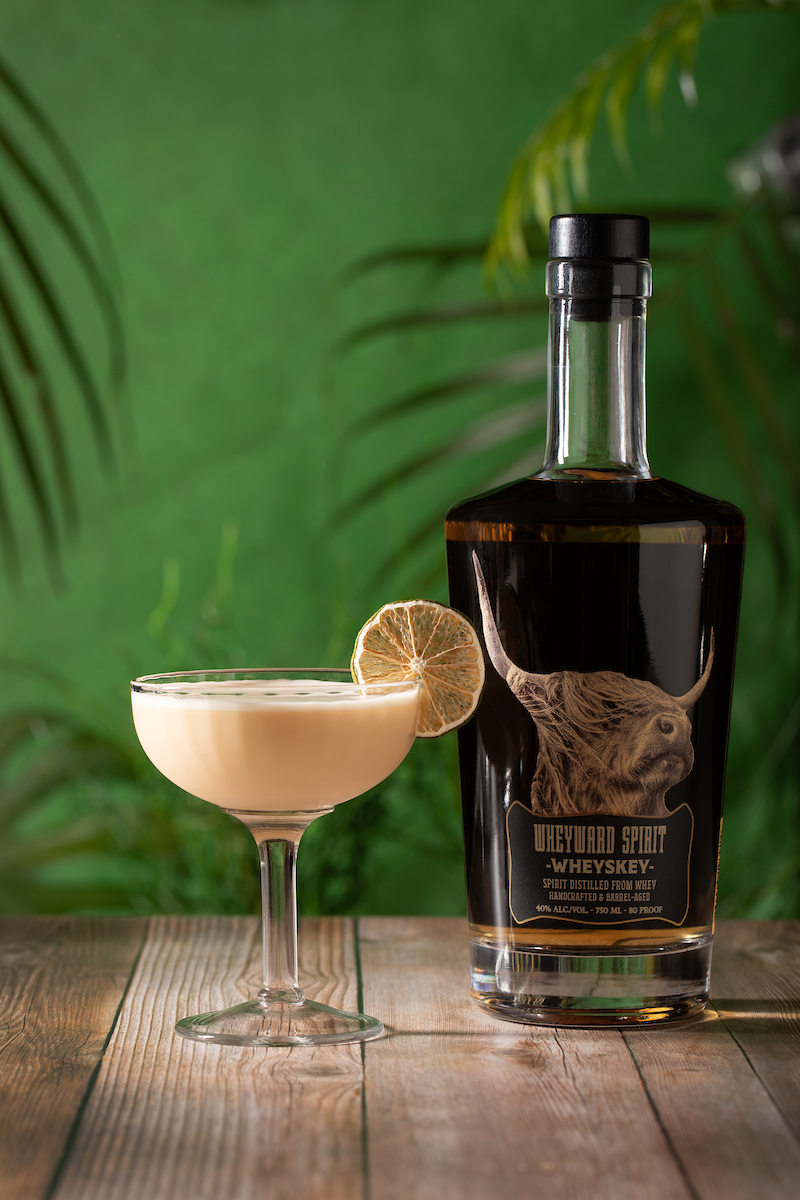
Flip beverages: Can you discuss the history of the dessert-like drink and how to make a mocktail flip?
The flip was a very rustic drink when it began appearing in the 1600s: a warm mixture of beer, spirits and sugar that was frothed by plunging a red-hot poker into the mug. It was all about heat, foam and comfort.
As tastes and bar technique changed over time, eggs started to predominate in the "foam and body" department formerly handled by beer. The drink migrated from hot to cold, and the modern flip became a chilled, dessert-like cocktail based on whole eggs, fortified wines or spirits and sugar or syrup. It's essentially drinkable custard with a backbone.
For a flip mocktail, I do the following:
- Use a pasteurized whole egg.
- Swap spirits for strong coffee, cold brew, chai, spiced milk, or a malted milk base.
- Sweeten lightly with maple syrup, honey, or vanilla syrup.
- Dry shake, then add ice, shake and strain into a chilled glass.
You get the same plush, foamy, spoon-coating experience, just without the alcohol.
Nog beverages: Which alcohol pairs well with eggs? When making a non-alcoholic eggnog, which ingredient do you suggest adding to keep the complex flavor profile?
For spirits, dark rum, brandy and bourbon make fine choices. Each brings warmth, spice, vanilla and dried fruit notes that cut through the richness and extend the flavor. A little goes a long way.
To make a non-alcoholic eggnog with depth, you can layer flavors with:
- Strong-brewed black tea or chai for tannin and spice.
- Toasted spice syrups: nutmeg, cinnamon, clove, allspice.
- A touch of coffee or espresso concentrate for bitterness and depth.
These elements replace the structural role that alcohol plays on the palate, so the nog still feels grown-up and multidimensional and not simply sweet and creamy.
Why are nogs and flips considered more cool-weather drinks or even dessert drinks?
Nogs and flips check all the boxes of a cool-weather, dessert-style beverage:
- Texture: They are thicker, creamier and more coating than a typical cocktail, which feels especially satisfying when it's cold outside.
- Flavor: Warm spices like nutmeg, cinnamon, clove, sometimes vanilla and citrus zest, invoke comfort and nostalgia in many people.
- Emotion: They blur the line between drink and dessert.
A small glass can stand in for a plated sweet at the end of a meal or become that cozy “one last thing” by the fireplace.
So, while you could drink them year-round, their richness and emotional cues make them particularly at home in cool weather and holiday settings. They are indulgent by design, and that's exactly the point.
What are the benefits of first dry shaking a beverage? How vigorously does someone shake?
Dry shaking, which means shaking the drink without ice, essentially whips the egg white. Without the distraction of ice, the proteins can unfold and trap air efficiently, building a tight, stable foam.
I recommend a very vigorous dry shake for about 10–15 seconds. If your arms are a little tired, you’re doing it right.
Then add ice and wet shake just as hard for another 10–12 seconds. That second shake chills, dilutes and slightly tightens the foam. The combination gives you a cold, balanced drink with a beautifully integrated, satiny head instead of a loose, bubbly one.
What is the advantage of using an egg white over a substitute like aquafaba?
Aquafaba can replicate some foaming properties of eggs, but it still won't replicate quite all the things a real egg white does.
- Texture: Whipped egg whites have a generally denser, finer, more stable foam with better shine and cling to the sides of the glass.
- Flavor and aroma: A fresh egg white, when used correctly has a very clean flavor, and doesn't bring in the legume notes or occasional off-aromas you can get from aquafaba.
- Nutrition: Egg whites provide high-quality, complete protein, not just serving as a foaming agent.
For operations and culinary programs that care about both performance and a short, familiar ingredient list, egg whites remain the benchmark. Aquafaba has its place, particularly for vegan applications, but from a purely culinary standpoint, eggs still set the standard.
Discuss how to safely use eggs in beverages.
Safety needs to be the top consideration when we put eggs into ready-to-drink beverages. Key practices include:
- The risk of foodborne illness can be drastically reduced while retaining all functionality by using pasteurized shell eggs or pasteurized liquid whole egg.
- Keep eggs refrigerated at or below 40°F per USDA guidelines and keep them there until you're ready to crack and build the drink.
- Work with clean, sanitized tools and shakers. Also, avoid letting egg drink bases sit out at room temperature. They should be made to order and served immediately.
When those steps are in place, the use of whole eggs in drinks can be safe and incredibly rewarding from a culinary and sensory point of view.
What other beverage category utilizes eggs beyond flips, sours and nogs?
I would add that there is a growing category of egg-based foams and functional elixirs, beverages where eggs are used less as a classic cocktail component and more as a performance ingredient.
You are starting to see egg-driven cold brews, matcha drinks and "morning tonics" where whites bring foam and lightness while yolks provide body, emulsification and nutrition, often in place of dairy or added fats. At the Eggcelerator Lab, we've been developing clean-label, high-protein concepts that drink like lattes or shakes but rely on eggs' natural emulsifying and thickening power instead of gums, stabilizers or heavy cream.
Click here to read a previous GMC story featuring eggs: Understanding and applying the power of the egg. Teaching the functional (and unexpected) benefits of eggs including mouth feel, viscosity and richness.