The food business has always been difficult - but somewhat predictably so. Things are now different and many expect the entire industry to be positioned for significant change.
Since the pandemic, diners’ habits have evolved, with more people viewing meal home delivery as the most logical way to experience a restaurant. Due to the rising cost of ingredients and a decimated labor pool – restaurant menus have shrunk. The many-hands kitchen design has given way to increased reliance on convenience ingredients. A dramatic increase of foodborne illnesses stemming from erratic supply chain ingredient integrity has made both producers and consumers proceed with caution.
It makes sense for faculty and administrators to take a hard look at what we teach and what might need to change as we start another academic year in culinary schools across the country. What will our graduates face as they start their career in food? How can we best prepare them for the craft of cooking, but more importantly, the demands of a changing industry?
Our discussions and planning might focus on the skills and knowledge that will always remain relevant as well as those that will need to change. We know, for example, that any effective culinary program must be diligent in teaching the foundations of cooking that will allow graduates to adapt to any style of cooking. We are very good at this. We understand that a major responsibility we share is to teach students to be professional in their approach to the job, the food they prepare, and the people they come in contact with.
There is no doubt that teaching teamwork and shared responsibility for outcomes is an essential skill and that excellence is not a destination for those in the kitchen but rather a mindset impacting everything in life. And from the product perspective and the plate of food presented in the pass – it is all about the dominance of strong flavor profiles. We can take these realizations to the bank.
However, in terms of what may need to change, it is apparent that over the past decade the design of service in restaurants has taken on a new meaning. Services like Grub Hub, Uber Eats, Hello Fresh, and Blue Apron have led to the build out of ghost kitchens that have no need for dining rooms, relying heavily on convenience ingredients and may even embrace robotics in the future.
It is apparent that the diminished labor pool and the difficulty food operators have in attracting and retaining employees will challenge the “many hands” approach toward operating kitchens requiring fewer employees to take on more tasks. We also understand that the days of extensive restaurant menus that gave cooks and chefs the opportunity to express their creativity will no longer make economic sense. Feeding the creative engines of cooks will become more difficult.
On the positive side, technology provides real-time analytics about customer buying habits and preferences and predictable algorithms will make planning of menus and production schedules far more dependable and the career choices in food for our graduates will open the doors for more specific skills as they consider positions in product development, nutrition and healthcare, research, and even culinary-focused agriculture.
As we dive into 2026 and 2027, how will we (educators) adapt to a changing industry? What questions will we ask? Who will we pull into our network to help design viable curriculum content for the future? This is a challenging time, but an exciting time as well. This year should yield very interesting discussions in faculty meetings as we continue to change the world, one student at a time.
PLAN BETTER – TRAIN HARDER
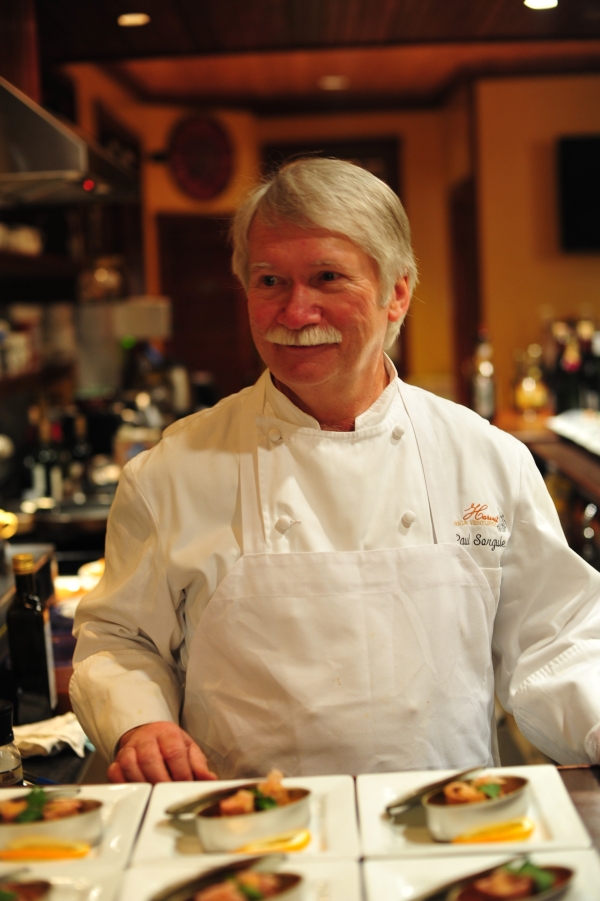
Paul Sorgule, MS, AAC, president of Harvest America Ventures, a mobile restaurant incubator based in Saranac Lake, N.Y., is the former vice president of New England Culinary Institute and a former dean at Paul Smith’s College. Contact him at This email address is being protected from spambots. You need JavaScript enabled to view it..